 Mên-an-Tol
Madron
Map reference SW426349
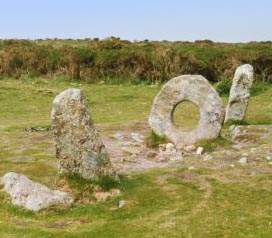 (Holed
stone. Early Bronze Age.) A holed stone with two uprights at either end. The name
Mên-an-Tol means stone with a hole in Cornish. Perhaps originally part of a stone
circle or Chamber Tomb. Crawling through the hole is reputed to cure infertility
and rickets.The site is believed to be the remains of a double chambered Tomb,
the hole forming the link between adjacent chambers.
(Holed
stone. Early Bronze Age.) A holed stone with two uprights at either end. The name
Mên-an-Tol means stone with a hole in Cornish. Perhaps originally part of a stone
circle or Chamber Tomb. Crawling through the hole is reputed to cure infertility
and rickets.The site is believed to be the remains of a double chambered Tomb,
the hole forming the link between adjacent chambers.
This ancient monument is composed three main stones: two uprights, and between these a 1.3m diameter circular stone, with a 700 mm diameter hole through its centre. A fourth stone forms part of the complex, but has fallen at some time in the past. Old plans of the of Mên-an-Tol site shows that originally these three main stones formed a triangle.
The stones are believed to be the remains of a double chambered NeolithicTomb, the hole forming the link between adjacent chambers. Mên-an-Tol's age in uncertain but the stones in the site are generally assigned to the Bronze Age, between 3000-4000 BCE.
There are many local traditions and rituals associated with Mên-an-Tol - known in the past as the Devil's Eye. The holed stone was thought to cure cure scrofula (a form of tuberculosis) and rickets in children. The naked child was passed through the hole in the stone three times and then pulled in an easterly direction along the grass a further three times. Adults seeking cures to rheumatism or spinal troubles were directed to crawl through the hole nine times, with their backs to the sun.

Click
Here for accommodation On the Lands End - main listing
Heritage - Character properties in the Mên-an-Tol Area
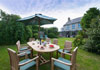
Self Catering
Traditional Granite Farmhouse -situated between St Ives and Penzance, Sited on a hilly ridge overlooking the whole of Mount's Bay. Former Mine Captain's House close to Poldark Coutry. An Area of Outstanding Natural Beauty, with awesome countryside, coastal and sea views. Parking, Three Bedrooms and Superb sea views. Sleeps 2 to 6 people plus travel cot | |
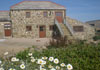
Self catering
Cringlers Barn is situated on a working Guernsey Dairy Farm in the idyllic village of Zennor. Zennor is located five miles west of St Ives. Buses run daily between the village of Zennor and St Ives. Sleeps 4 | |
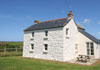
Self Catering
Our six holiday cottages are clustered in and around the tiny fishing cove of Porthgwarra, just two miles short of Land's End. Porthgwarra, at the heart of St Aubyn Estates Cottages, is a perfect base for exploring the South West Coast Path and is within an Area of Outstanding Natural Beauty. | |
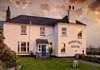
Bed & Breakfast
Discover the heart of Poldark country. A historic country guesthouse offering delicious cooked breakfasts, friendly service and comfortable accommodation. An ideal walking or touring centre. Relax in our gardens, walk the coastal footpath to an isolated sandy cove or explore West Cornwall. The choice is yours! | |
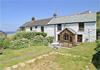
Self Catering
Nestled by the sand dunes just 300 yards from the acclaimed and outstandingly stunning Blue Flag beach at Sennen, Seal Cottage is ideal for the adventurous escape that you have been looking for from the hustle and bustle of everyday life. Sleeps 4 | |

Self Catering
Casple Cottage is a traditional miners cottage -sleeping 4 people, which has been sensitively refurbished to preserve its original character with exposed beams and exposed granite walls. | |
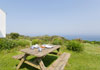
Self catering
Stunning cliff top Holiday Cottage - Wake up to beautiful views of the Cornish sea. Stunning Holiday Cottage situated on the coastal path at Gurnards Head, enjoying the most stunning sea and coastline views, our secluded detached cottage sleeps 7 guests in total peace and tranquillity. | |
 Quality in Tourism / Visit England
4 stars Silver Award logo Tel: 01736-788301
Quality in Tourism / Visit England
4 stars Silver Award logo Tel: 01736-788301 |
|
Promoting
your business on Cornwall Online |
|
Cornwall
Online Website by ITS WEB DESIGN - COL DIRECT. Tel 01579 557343
|